




Life Vests
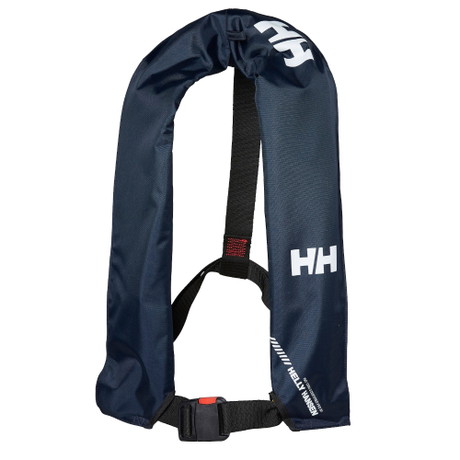

Life Vests for Kayaking and Watersports
Life vests for kayaking and watersports are your most important safety equipment when you're on the water, whether paddling a kayak, standing on a SUP board, or sailing a small boat. Here you'll find a solid selection of life vests for both children and adults, ranging from lightweight buoyancy aids to more advanced models for longer trips.
The purpose of a life vest is to keep you afloat and give you the time and calm needed to get safely ashore or back into your kayak. That’s why it’s important to choose a vest that matches your activity and skill level in terms of buoyancy, size, and freedom of movement.
Safety, Certifications and Buoyancy
When choosing a life vest, safety and legal requirements are the first things you should check. Whenever possible, choose a vest that is CE-certified in accordance with current European standards for the intended activity. Many kayak and buoyancy vests fall within the 50 N category, designed for competent swimmers in coastal waters and activities where you have good control.
For calm coastal or inland water trips with a kayak, SUP, or similar, 50 N is usually suitable if you are a confident swimmer and comfortable in the water. If you plan to go farther from shore, sail in colder water, or are a less confident swimmer, you should consider a vest with higher buoyancy and a more traditional design with a collar that helps turn you onto your back.
Remember that buoyancy must correspond to body weight. Follow the manufacturer’s weight chart and choose a model with slightly higher buoyancy rather than one that’s just on the limit. This provides extra safety, especially when wearing a wetsuit or clothing that can become heavy when wet.
Size, Fit and Visibility on the Water
A life vest only provides optimal protection if it fits correctly. It shouldn’t ride up over your head when you fall into the water, and it should still allow freedom to paddle and rotate your upper body and shoulders. Kayak vests are typically shorter in the torso and have more flexible shoulder sections, allowing for long paddle strokes without discomfort.
Key factors to consider when assessing fit and comfort:
- Adjustment options: Straps at the sides and shoulders make it easier to achieve a snug fit without uncomfortable tightness.
- Length and cut: Shorter models are ideal for kayaking and SUP, preventing the vest from hitting the seat edge or spray deck.
- Size and weight class: Follow the sizing guide and choose according to both chest measurement and body weight.
- Visibility: Bright colours and reflective details make you more visible to other boaters and rescue personnel.
- Pockets and details: Small pockets for snacks, a whistle, or safety gear can be useful on longer trips.
For children and beginners, it’s particularly important to ensure good visibility and a secure fit that cannot loosen. Make sure all buckles are easy to operate, and regularly check that the vest still fits as the child grows.
Use, Maintenance and Choosing for Your Level
Your experience level and typical trip conditions should guide which model you select. If you take short coastal trips during summer, a light and flexible buoyancy aid is often an excellent choice. For longer outings, colder conditions, or more exposed areas, a more robust kayak vest with extra buoyancy and multiple adjustment options can be beneficial.
With regular use, proper maintenance is essential for both safety and durability. Rinse the vest in fresh water after use in salt water and allow it to dry completely at room temperature, away from direct sunlight and heat sources. Avoid storing it damp or tightly compressed for long periods, as this can damage the foam and reduce buoyancy.
Check the buckles, straps, and seams regularly for wear. If the foam feels hard, uneven, or cracked, or if the vest has been heavily stressed, it’s a good idea to replace it. A life vest is an investment in safety and not something to compromise on.
If you’re unsure how much buoyancy you need or which type of vest suits your kayaking activity, use your experience, swimming ability, and distance from shore as a guide. Use the product descriptions to compare buoyancy, certifications, and fit, and choose the life vest that gives you the greatest peace of mind when you head out on the water.