




School Bags


 74%Annox Casual Laptop Backpack 15.6” – PU Water-ResistantSpecial Price £27.95 Regular Price £104.9513.5 L
 65%Annox Urban Roll 18L - Water-repellent Backpack With Laptop Compartment And Water Bottle HolderSpecial Price £24.95 Regular Price £69.9518 L
 78%Annox Casual Laptop Backpack 15.6” – PU Water-ResistantSpecial Price £23.95 Regular Price £104.9513.5 L
 76%Annox Follow Your Passion Backpack – Water-repellent backpack in upcycled materialSpecial Price £21.95 Regular Price £89.9514 L


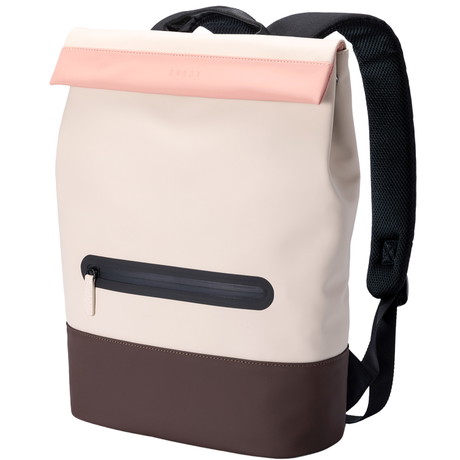

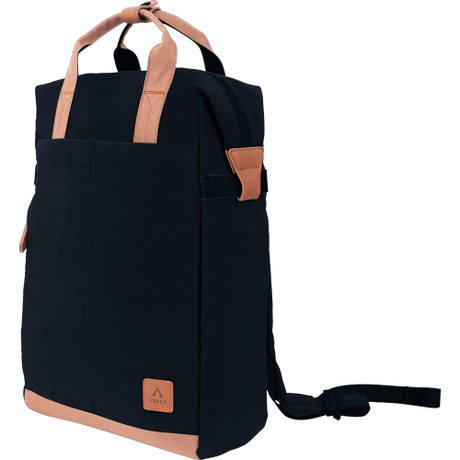


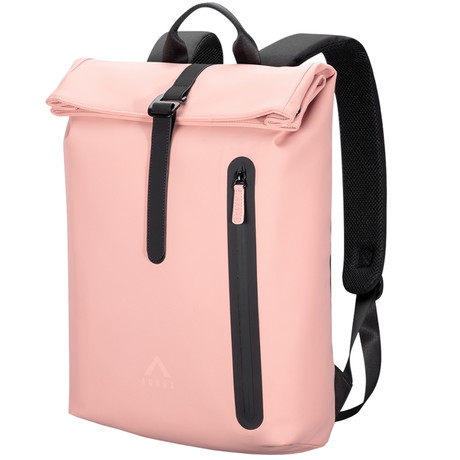
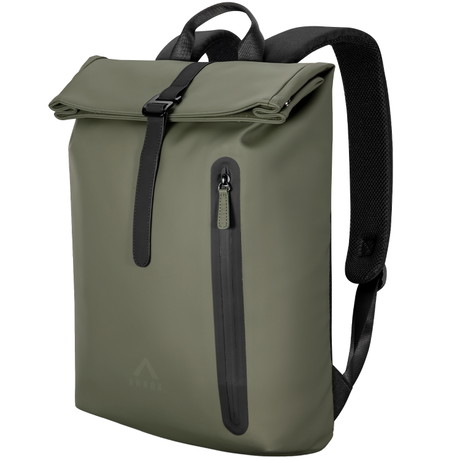


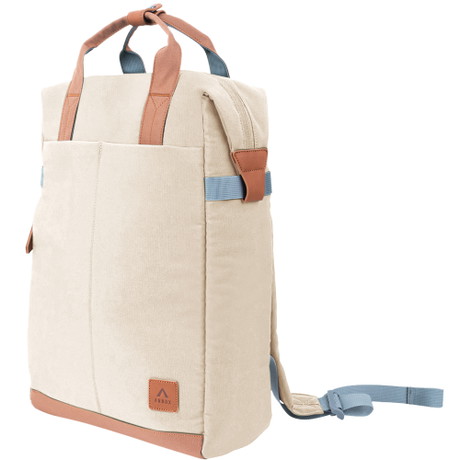


School Bags for Children, Teenagers and Students
Everyday school bags range from the first years of school to student life, commuting and days at the skatepark. The focus is on designs that can handle books, electronics and the wear of daily use, while fitting a skate and street-inspired style. You can find more bags under Bags and clothing for everyday use. The key is to find the right balance between volume, comfort, functionality and style.
Whether the bag will be carried all day or just used for essential gear, it's important to choose a model that matches the user's age, body shape and mode of transport.
Choosing the Right Size and Capacity
Start by assessing how much usually needs to be carried each day. For younger children, 18 to 22 litres is often sufficient, while teenagers and students typically need around 22 to 28 litres, especially if carrying books, a computer and sportswear. Smaller daypacks are perfect for lighter days focused more on a laptop, hoodie and water bottle.
A classic everyday school bag usually features one large main compartment for books and folders, plus smaller pockets for a pencil case, keys and other small items. Ergonomic models for children have a shorter back, wider shoulder straps and often a chest strap to distribute weight more evenly on smaller frames. Roll-top models offer flexible capacity as the top can be rolled up or down and also provide added protection against rain and snow.
The bag should follow the back without hanging below the lower back, and the shoulder straps should be adjustable so the bag sits snugly against the body. Keep the total weight moderate relative to the user's body weight, and place the heaviest items closest to the back for better balance.
Ergonomics, Comfort and Safety
A well-fitting school bag has padded shoulder straps, possibly a hip belt or chest strap, and a lightly shaped back panel that allows airflow between the bag and back. This is especially important when commuting by bike or skateboard, where stability makes a big difference. Fasten the chest and hip straps if available, and avoid letting the bag hang too low.
For laptops and tablets, a padded compartment—preferably raised slightly from the bottom—is a clear advantage, keeping electronics secure and protected. Water-repellent materials and zips make daily life easier in rain and snow, especially when carrying electronics and documents. Reflective or bright details improve visibility in traffic during the darker months.
Skate backpacks often feature front straps for fastening a skateboard or cruiser, keeping hands free when cycling, scooting or walking. They typically have a more durable bottom and fabric that can withstand contact with asphalt and kerbs, making them a great all-round rucksack for both school and leisure.
Features, Organisation and Style
Use the following points as a checklist when comparing school bags and backpacks for school:
- Capacity: Choose the litre size according to age, mode of transport and the amount of books and gear.
- Fit: The back should match the child's or young person's height, and the straps should be accurately adjustable.
- Laptop Compartment: Check the size and padding to ensure the laptop and tablet stay securely in place.
- Ergonomics: Look for padded straps, a chest strap and possibly a hip belt for heavier loads.
- Water Resistance: The material, bottom and zips should withstand rain and wet surfaces.
- Organisation: Internal compartments, mesh pockets and a key holder help keep track of small items.
In the skatepark, front straps allow the board to be secured when travelling to and from spots or when using public transport. On trips, many school bags also double as hand luggage, with a laptop compartment and easy access to documents proving convenient. Regularly wipe the surface with a damp cloth, let the bag dry thoroughly at room temperature, and avoid overloading zips to maintain functionality and durability when choosing the model that best suits everyday life.