




Roller Skates for Kids
 43%
43% 62%Story Disco Suede Quad SkatesSpecial Price £73.95 Regular Price £189.9514 JR, 2, 2.5, 3, 4, 5, 6, 6.5, 7, 8
 58%Story Disco Suede Quad SkatesSpecial Price £79.95 Regular Price £189.9514 JR, 2, 2.5, 3, 4, 5, 6, 6.5, 7, 8
 56%Story Retro Western Quad SkatesSpecial Price £73.95 Regular Price £164.9514 JR, 2, 2.5, 3, 4, 5, 6, 6.5, 7, 8


 69%Story Soul Quad Roller SkatesSpecial Price £39.95 Regular Price £124.9514 JR, 2, 2.5, 3, 4, 6.5, 7, 8
 69%Story Soul Quad Roller SkatesSpecial Price £39.95 Regular Price £124.9514 JR, 2, 2.5, 3, 4, 6.5, 7, 8
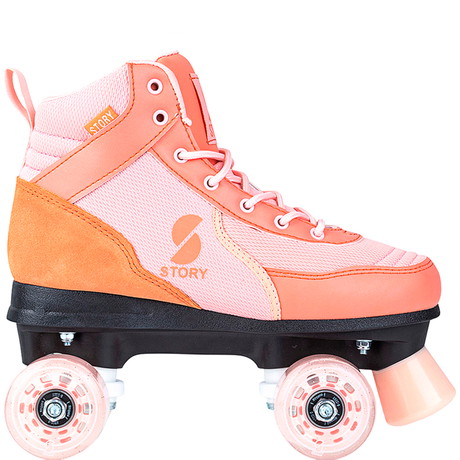 42%
42%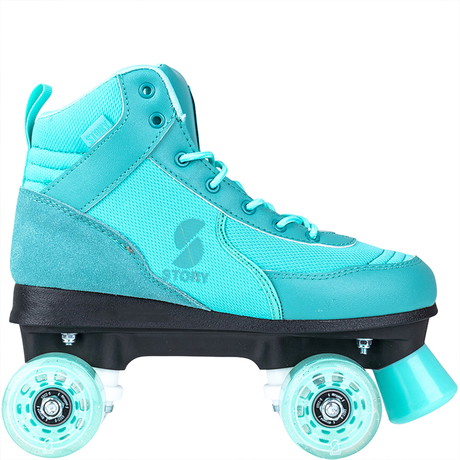 46%Story Cooper Quad SkatesSpecial Price £65.95 Regular Price £119.9514 JR, 2, 2.5, 3, 4, 5, 6, 6.5, 7, 8
 62%Story Retro Western Quad SkatesSpecial Price £62.95 Regular Price £164.9514 JR, 2, 2.5, 3, 4, 5, 6, 6.5, 7, 8
 46%Story Duster Quad SkatesSpecial Price £65.95 Regular Price £119.9514 JR, 2, 2.5, 3, 4, 5, 6, 6.5, 7, 8
 46%
46% 73%Story Disco Suede Quad SkatesSpecial Price £45.95 Regular Price £164.9514 JR, 2, 2.5, 3, 4, 5, 6, 6.5, 7, 8
 73%Story Disco Suede Quad SkatesSpecial Price £45.95 Regular Price £164.9514 JR, 2, 2.5, 3, 4, 5, 6, 6.5, 7, 8
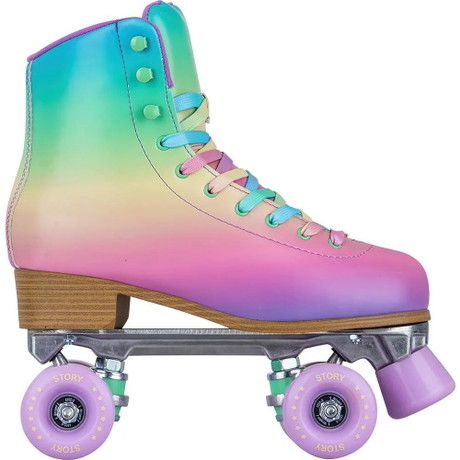 45%Story Phoenix Quad SkatesSpecial Price £90.95 Regular Price £164.9514 JR, 2, 2.5, 3, 4, 5, 6, 6.5, 7, 8
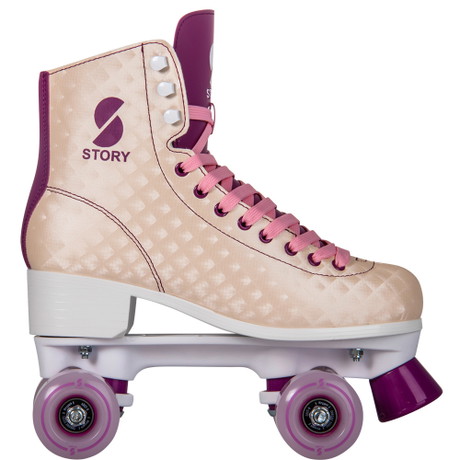 69%Story Soul Quad Roller SkatesSpecial Price £39.95 Regular Price £124.9514 JR, 1.5, 2, 2.5, 3, 7, 8
 69%Story Soul Quad Roller SkatesSpecial Price £39.95 Regular Price £124.9514 JR, 2, 2.5, 2.5-3, 3, 4, 6.5, 7, 8
 58%Story Duster Quad SkatesSpecial Price £59.95 Regular Price £139.952, 2.5, 2.5-3, 3, 4, 5, 6, 6.5, 7, 8
 62%Story Cooper Quad SkatesSpecial Price £59.95 Regular Price £154.951.5, 2, 2.5, 2.5-3, 4, 4.5, 5, 6, 6.5
 62%Story Cooper Quad SkatesSpecial Price £59.95 Regular Price £154.9514 JR, 1.5, 2, 2.5, 2.5-3, 3, 4, 4.5, 5, 6, 6-6.5, 6.5
 64%Story Phoenix Quad SkatesSpecial Price £59.95 Regular Price £164.9514 JR, 2, 2.5, 3, 4, 5, 6, 6.5, 7, 8


Children’s Side by Side Roller Skates for Their First Rides
Roller skates for kids with four wheels are ideal for those first careful rides, where play and balance are the focus. The wide wheels and stable construction make it easier to find footing and reduce the number of falls. These models are designed for children who are completely new to skating or have just a little experience, so the start feels safe for both child and parent.
The skates are suitable for gentle rides on flat surfaces, playing in the yard and short training sessions, where the child gradually gains confidence to go faster and try new movements.
Types of Roller Skates for Kids and the Difference from Inlines
Four-wheeled roller skates have two wheels at the front and two at the back, providing a wider base under the foot. This helps the child stand more steadily, especially when practising starting and stopping. Their typically lower speed makes them suitable for younger children who need time to learn the technique.
Inline skates for kids have their wheels in a single line, which requires better balance and allows for higher speeds. They are best suited for children who already have good control on skates and want to take longer rides or engage in more sport-oriented activities. For complete beginners and more cautious children, four-wheeled models are usually the most manageable choice.
How to Choose Roller Skates for Kids – Size, Support and Wheels
A pair of roller skates for kids should first and foremost fit well and match the child’s age and confidence with speed. The following points are helpful to keep in mind when selecting a model:
- Fit – choose a snug but not tight boot so the heel stays in place and the toes have a little room.
- Adjustable size – practical for growing feet, allowing the skate to be lengthened a few centimetres and used over several seasons.
- Supportive boot – a higher cuff around the ankle provides extra support and better control, especially for beginners.
- Wheel size – smaller wheels ensure calmer and more controlled skating, suitable for lower speeds and shorter rides.
- Wheel hardness – softer wheels absorb vibrations and provide good grip on asphalt and tiles, which is comfortable for lighter children.
- Brake – a visible and easily accessible brake makes it safer to come to a stop when the child practises braking for the first time.
For young beginners, stability, comfort and easy handling are the priorities. Older children who can already skate may prefer slightly larger and firmer wheels for a smoother rolling sensation.
Safety, Protection and Good Habits for Children on Roller Skates
A helmet, knee pads, wrist guards and elbow pads should always be part of the equipment when children are learning to skate. These absorb the impact of typical falls and give the child peace of mind to practise without fear of bumps and scrapes.
Choose a flat, dry surface without steep slopes – for example, a quiet car park, a courtyard or a wide pathway. The first rides are best when an adult is nearby, helping to tighten the skates properly and demonstrating simple exercises for balance and braking. Start with short sessions, give praise for small achievements, and gradually move on when the child shows interest in the next step.