




Neck Warmer


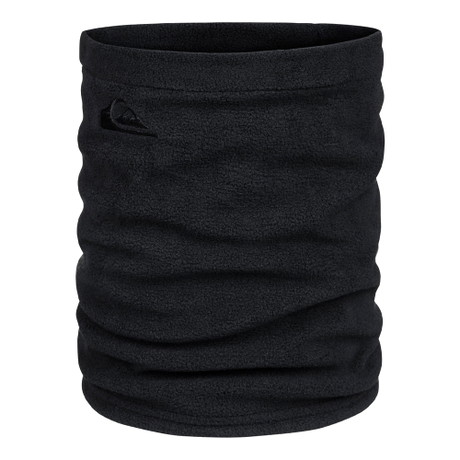


Neck Warmer for Winter Sports and Everyday Use
A neck warmer is a simple yet effective solution for keeping your neck, nape, and often your face warm when the temperature drops. It takes up minimal space, can be worn in many ways, and is ideal for skiing, snowboarding, winter running, or as an extra layer on cold everyday commutes. It’s a regular part of your clothing for winter sports, and you can find more models under neck warmer.
Instead of struggling with a flapping scarf, a neck warmer stays in place, follows your movements, and can easily be pulled up over your mouth and nose when the wind bites. This makes it especially suitable for active winter sports where you alternate between high intensity and breaks.
Materials, Warmth and Breathability
When choosing a neck warmer, the material is crucial for warmth, comfort, and how quickly it dries. Consider how you mainly plan to use it – whether for intense activity, gentle skiing, or daily use on the way to school or work.
The most important factors to consider are:
- Material: Wool (often merino) provides excellent warmth and odour resistance, while synthetic materials like polyester microfibre and fleece dry quickly and are durable for heavy use.
- Warmth level: Thin models are ideal for high activity and mild winter days, whereas thicker ones with brushed interiors are better for severe cold and low-intensity activity.
- Breathability: Choose a lightweight, moisture-wicking neck warmer if you sweat a lot to avoid getting cold when you stop moving.
- Fit and length: An elastic, close-fitting model about 40–50 cm long provides flexible protection for both the neck and lower face.
- Inner/outer surface: A brushed or fleece-like inner side feels extra soft against the skin, while a smoother outer surface slides easily under a helmet or jacket.
On the coldest days, it can be beneficial to combine a warm neck warmer with a good hat or helmet with ear covers to prevent heat loss around the neck and shoulders, where much body heat otherwise escapes.
Use Scenarios and Choosing the Right Size
For skiing and snowboarding, a snug, elastic neck warmer is ideal because it stays in place even when you move your head or wear a helmet. For winter running, cross-country skiing, or cycling, breathability is especially important so you don’t end up with a damp and cold neck.
Many models are one-size for adults since they are elastic and stretchable, but you can also find smaller sizes for children to ensure the neck warmer fits properly and doesn’t slip down. If you want to be able to pull it up over your nose as a mask, go for a slightly longer model with good stretch.
Also consider if you want a neck warmer suitable for year-round use – for example, as light protection on cool summer evenings or for autumn cycling. Choosing a model that matches your usual activities and warmth needs gives you a piece of gear you’ll use again and again. Once you’ve decided on the material and warmth level, the next step is simply to choose the neck warmer that fits your style and your adventures on the snow.