




Skate Wheels


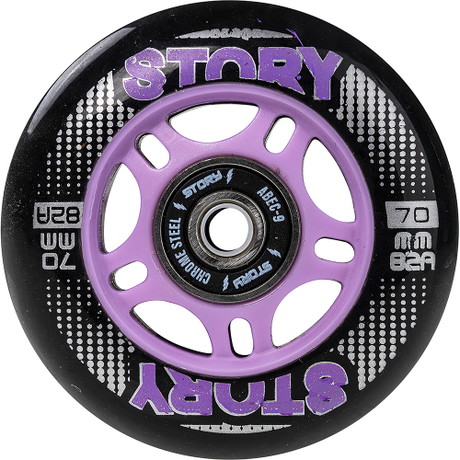

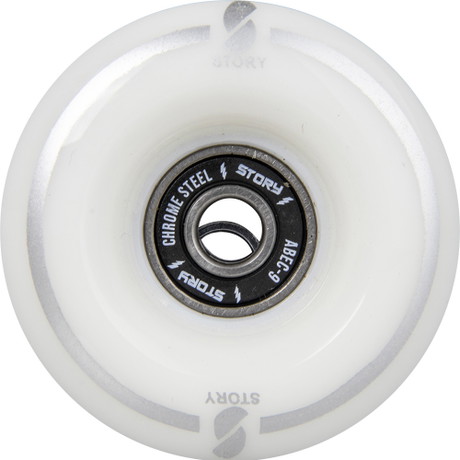
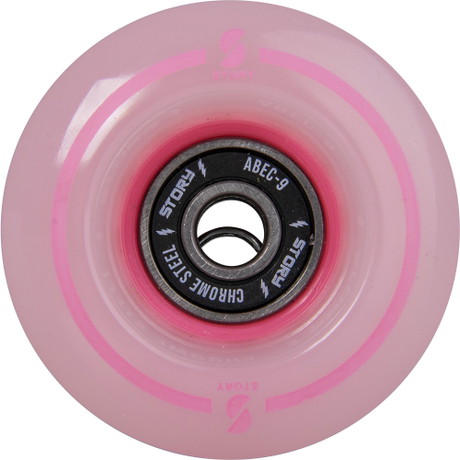


















Wheels for skates – the foundation of your skating experience
The right wheels make a huge difference to how your skates feel, perform, and brake. Here you’ll find wheels for everything from fitness and fun on paths to urban, freestyle, and light speed skating. Whether you’re upgrading your standard wheels or building a completely new setup, you can combine wheels according to your skating style and skill level. Choosing wheels is essentially about matching them to your skating style, surface, and experience.
When choosing wheels, size, hardness, shape (profile), and compatibility with your skates determine whether you achieve the right combination of speed, control, and comfort.
Choosing wheel size, hardness, and usage scenarios
The size of the wheels (measured in mm) affects both speed and stability. Smaller wheels sit lower and provide more control, while larger wheels roll faster and handle rough surfaces better. The hardness (durometer, e.g. 82A) determines how well the wheel grips the surface and how long it lasts.
Use this list as a guide when selecting wheels:
- Wheel size smaller wheels (around 72–84 mm) provide control and technique, larger wheels (around 90–125 mm) offer speed and are suited for longer rides.
- Hardness softer wheels (e.g. 78–82A) offer better grip and comfort, while harder wheels (e.g. 84–88A) roll faster and last longer.
- Skating style choose depending on whether you mainly skate for fitness, urban use, slalom, indoors, or long distances.
- Surface rough asphalt often requires slightly softer wheels, while smooth asphalt or indoor flooring can handle harder wheels.
- Rider weight heavier skaters can benefit from slightly harder wheels for improved durability.
For beginners and intermediate skaters who use their skates on mixed asphalt, medium-sized wheels around 80–90 mm with medium hardness are often a good compromise. Advanced and experienced skaters seeking speed on long rides typically choose 100–125 mm, while technical and urban skating requires smaller, more agile wheels.
Compatibility, mounting, durability, and safety
Before ordering new wheels, it’s important to check what fits your skates. The frame and brake pad set the upper limit for wheel diameter. Most wheels use 608 bearings and standard spacers, but always double-check the specifications for both wheels and skates. Also, remember to check your bearings for optimal performance.
Pay special attention to:
- Maximum wheel diameter in the frame must not be exceeded, otherwise the wheels may hit the frame or brake pad.
- Width and bearing size most wheels fit 608 bearings, but be aware of special frame types.
- Number of wheels per skate 3-wheel (tri-skate) setups often use larger wheels than classic 4-wheel skates.
- Wear and rotation rotate your wheels regularly to prevent uneven wear and extend their lifespan.
Replace wheels when they are unevenly worn or significantly smaller, as this reduces both braking performance and stability. Always use well-maintained bearings and tightened axles, and combine your new wheels with good protection such as a helmet, knee, and wrist guards. Once you’ve settled on size, hardness, and compatibility, the next step is simply to choose the wheels that match your skating style and hit the road.