




Snowskate


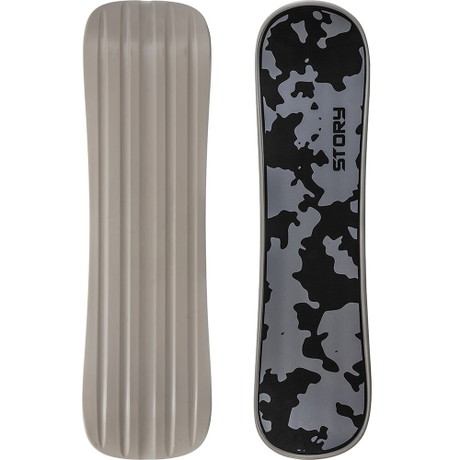


Snowskate for fun on snow for all levels
A snowskate is a small snowboard without bindings, inspired by the skateboard, so you stand freely in your winter boots on a short board with grip on top. It offers a loose and playful feel, letting you step on and off just like a skateboard. Snowskates suit both beginners wanting to try winter sports without much equipment and experienced riders who want to play on hills and in parks. Snowskating is part of winter sports and perfect if you want freedom without bindings. If you later wish to move on to other snow board sports, check out snowboards or skis.
You can use a snowskate on sledging hills, near the ski slope, in the garden, or at creative urban spots with stairs, ledges, and small jumps. It’s a simple way to start having fun on the snow because you don’t need ski boots or bindings, and you can easily walk up the hill and take short, fun runs again and again.
Types of snowskates, sizing, and what they are suited for
Single deck models are one-piece boards with a rough top and a gliding base, most similar to a small snowboard. They are great for all-round use on slopes, simple obstacles, and for practising balance and steering.
Bi deck snowskates have an upper deck with griptape mounted on an underboard via small trucks or spacers. This gives more of a skateboard feel, better cushioning, and makes them ideal for tricks, rails, and park riding. Powderskates are wider and longer with more rocker, allowing better float in deep snow and great for carving and surf-style riding in powder.
More skate-oriented variants have a pronounced nose and tail, solid pop, and a deck resembling a skateboard. They are best if you want to do ollies, flip tricks, and street-inspired lines, or use snowskating as winter training for skateboarding.
When choosing a snowskate, it’s about matching length, shape, and flex to your weight, experience, and where you ride most. A shorter board feels more playful and easy to manoeuvre, while a slightly longer one feels more stable at speed and in deeper snow.
- Length: Shorter boards for children and lighter riders, longer models for adults and those wanting more stability on bigger slopes.
- Shape: Twin tip is great for park and tricks, while a directional shape gives better control on hills and in powder.
- Flex: Soft flex for beginners and fun on small slopes, medium flex for experienced riders who want to combine tricks and carving.
- Top deck and grip: Choose aggressive grip for technical tricks and a more comfortable texture if you mainly cruise.
- Base and durability: A durable plastic base withstands urban spots, stairs, and ledges, while a smoother base is ideal for slopes and longer runs.
- Level and riding style: Choose a simple single deck for play and learning and a bi deck setup if you’re already used to skating or snowboarding.
Equipment, safety, and using your snowskate
Even though you ride without bindings, you should wear a helmet, gloves, and preferably knee and hip protection, especially on hard surfaces and urban spots. Regular winter boots with a firm sole and good tread provide better grip on the griptape and more precise control over the board.
On slopes, it’s a good idea to start on a moderate incline, practise small turns, and learn to brake by turning uphill. In parks and near rails, check landings, remove ice lumps, and start with low obstacles to protect both yourself and the equipment. Avoid stones and bare patches, wipe the board dry after use, and store it indoors at room temperature so the base, edges, and top deck keep their shape through several seasons. Once you know your skill level and favourite spots, the next step is to choose a snowskate setup that perfectly matches your way of having fun on snow.