




Helmets


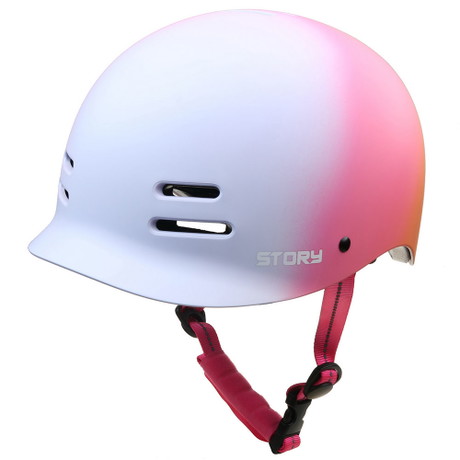


Helmets for Roller Skates for Children and Adults
Helmets for roller skating are the most important piece of protective equipment when roller skating, whether for children or adults, beginners or experienced riders. The head is particularly exposed in the event of a fall, and a properly fitted model greatly reduces the risk during both minor and serious crashes.
Roller skaters often use skate-style helmets with a round shape and low profile that extend further down the back of the head than traditional cycling helmets. They typically feature a hard outer shell made from ABS or polycarbonate and an inner shell of EPS foam that absorbs impacts. Many helmets are tested according to recognised safety standards such as EN 1078 for cycling, skating and roller skating, giving you certified protection for your skating activities.
Types of Roller Skating Helmets and Riding Styles
For relaxed fitness skating and commuting, many prefer a lightweight and well-ventilated helmet similar to a cycling helmet but still offering good coverage on the sides. Low weight, ventilation and visibility in traffic are key features here, especially if you skate longer distances or at higher speeds.
For park and street skating, the deep fit and durable outer shell of a skate helmet are advantages, as there is a higher risk of repeated impacts against ramps, curbs and rails. These models usually cover lower down at the back and temples, offering extra protection against rotational falls, which are common during tricks.
Children and younger beginners often benefit from a simple, stable helmet with clear adjustment options that can adapt as their head grows. Teenagers and adults who skate more technically or aggressively often choose sturdier, skate-inspired models focusing on durability, comfort and a snug fit around the whole head.
How to Choose the Right Roller Skating Helmet
The choice primarily depends on head size, fit and skating style. A good roller skating helmet should sit securely without pressure points, have suitable weight and ventilation for your usage, and be tested according to the relevant safety standards. Consider where and how often you skate, and whether you will use it for both everyday rides and tricks.
- Head Size: Measure the circumference with a tape measure about 1 cm above your eyebrows and choose the size according to the manufacturer’s chart, ensuring the helmet is neither too loose nor too tight.
- Adjustment System: Look for internal pads, a rear dial or other systems that make it easy to fine-tune the fit, especially if the helmet is shared between users or worn by growing children.
- Certification and Construction: Choose a model with a proven shock-absorbing EPS inner shell and a tough outer shell approved for roller sports, for example, certified to EN 1078, so you get reliable protection for repeated falls.
- Usage Scenario: For longer rides and commuting, low weight and good ventilation are important, while park and trick skating require extra coverage and high durability, particularly around the back and sides.
- Comfort and Internal Padding: Removable, washable pads and soft straps offer better comfort, reduce irritation and make it easier to keep the helmet clean with frequent use.
- Level and Age: Beginners and children should prioritise stability and ease of adjustment, while more advanced skaters may need more specialised options suited to their preferred discipline.
By combining the correct size, riding style and desired comfort, you will get a helmet that is both safe and pleasant to wear—so it actually gets used every time.
Fit, Safety and Proper Use of Helmets
A helmet should sit level on your head, low on the forehead, with the front edge about 1 to 2 cm above your eyebrows. It should not tilt backwards or sideways when you shake your head. The straps should form a V-shape around the ears and be tightened so that two fingers fit between the strap and chin.
If the helmet has a rear dial or similar system, tighten it until it feels secure but not uncomfortable. A correctly adjusted helmet will not move when you lightly push up on the front edge. This ensures the helmet can absorb impact in the right areas if you fall forwards or backwards.
Check regularly that the straps, buckles and internal pads are in good condition, and replace the helmet if it has suffered a hard impact or shows visible damage to the shell. Always combine your helmet with wrist guards, knee pads and elbow pads to keep your body protected during unexpected falls on asphalt, concrete or ramps.
Find Your New Helmet at Kitedanmark
Start by choosing the type of helmet that suits your skating style, and then find the size that matches your head measurement. Consider whether you prefer a lightweight and ventilated model for rides and commuting, or a more enclosed skate helmet for park use and tricks.
For children and teenagers, it can be beneficial to choose a model with a clear adjustment system and removable pads that can be adapted over time. Finally, match your helmet with knee, elbow and wrist protectors so your whole body is ready for the next skating session.