




Scooter Forks
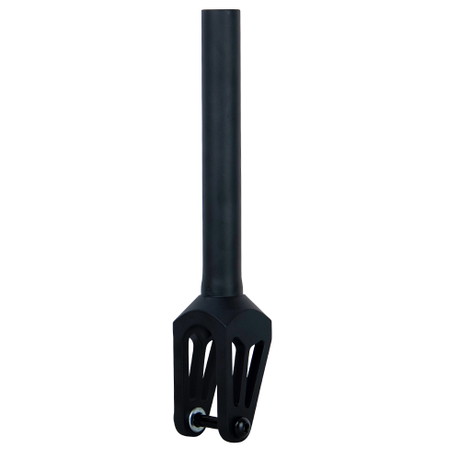

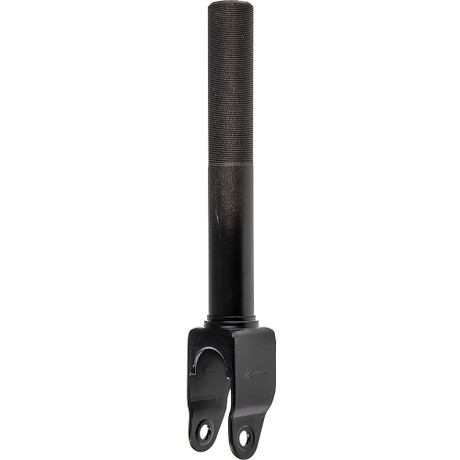
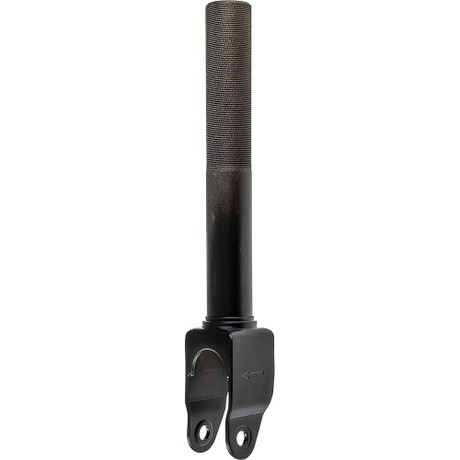

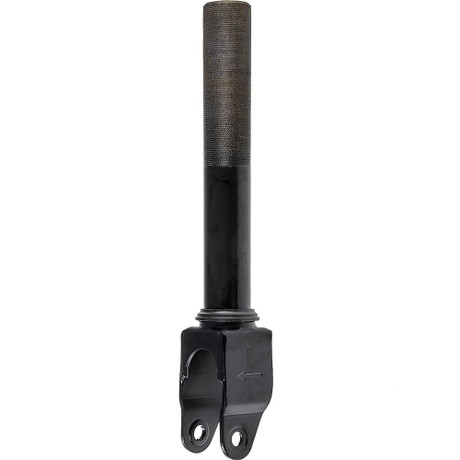

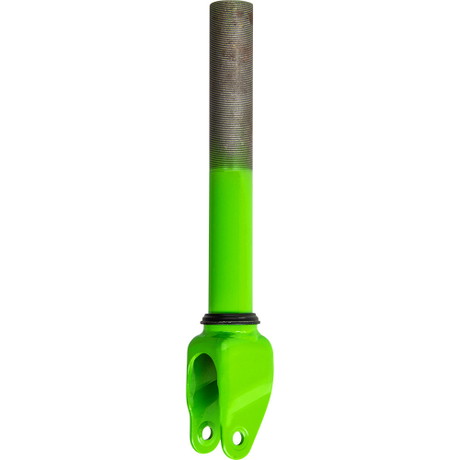

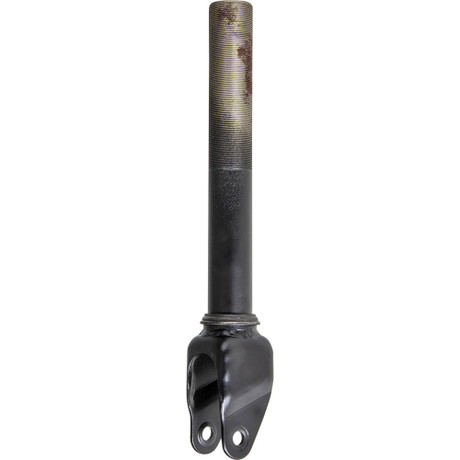
Forks for scooters – the core of your setup
Forks for scooters are one of the most important parts of your scooter. They connect the deck, wheels, and compression system and greatly affect strength, weight, and overall ride feel. Here you’ll find forks for stunt scooters in many models, so you can match your riding style, level, and the rest of your setup.
Whether you’re upgrading for the first time or building a custom scooter from scratch, it’s important to choose a fork that fits your wheels, headset, and compression and that can withstand your individual riding style.
How to choose the right fork
When choosing a fork, it’s all about both compatibility and how you ride. Always check the specifications of both the fork and the other parts of your setup to avoid costly mistakes.
Focus especially on these points:
- Compression type (HIC, SCS, IHC, ICS) The fork must match the compression system you use; otherwise, you won’t be able to assemble the scooter correctly.
- Wheel dimensions Check the maximum wheel diameter (e.g. 110 mm or 120 mm) and wheel width so that the wheel can spin freely without touching the fork.
- Fork length Influences how the deck, headset, and clamp interact, and whether you can achieve a tight and secure setup.
- Strength vs. weight Lighter forks make aerial tricks easier, while slightly heavier and stronger models often provide more durability for hard landings.
- Compatibility with headset Most forks are designed for integrated headsets, but always double-check that the standard fits your deck.
If you’re unsure, it’s a good idea to use the original fork from your scooter as a reference and compare dimensions and compression type.
Materials, durability, safety and next steps
Forks for stunt scooters are typically made from aluminium or steel. Aluminium offers low weight and is a great choice for street and park riding, where you perform many technical tricks. Steel is heavier but very strong and a good option for riders who really push their gear to the limit.
Besides the material, the construction also matters for durability. A one-piece CNC-forged fork is usually stronger than an assembled model. If you ride aggressively, do drops from height, or weigh a bit more, you should prioritise strength over low weight.
In terms of safety, it’s important that:
- The fork is installed correctly with the proper compression system.
- All bolts are regularly tightened and rechecked after the first few sessions.
- There are no visible cracks, bends, or damage to the fork or axle bolt.
As a beginner, you can easily ride a slightly heavier and more robust fork that can handle mistakes and hard landings. Experienced riders often choose lighter, precisely machined forks that give a more responsive setup and make spins and whips easier.
If you mainly ride park, low weight and fast response are an advantage. For street riding, extra strength makes sense, as rails, drops, and gaps wear harder on the equipment. Also, consider whether you’d like to upgrade to larger wheels later, and in that case, choose a fork that supports the desired wheel sizes. The next step is to measure and check the specifications of your current scooter, select a fork with the right compatibility, and then match the rest of the parts so you end up with a safe and well-performing setup.