




Bicycle and BMX Helmets


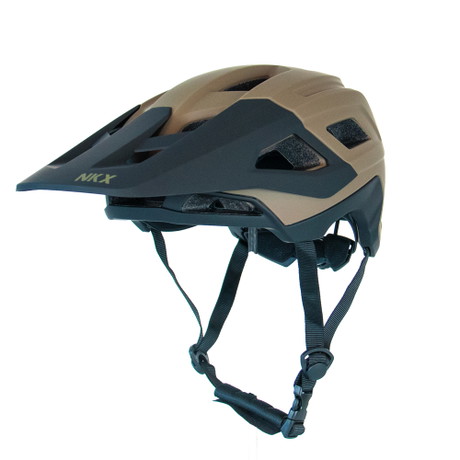


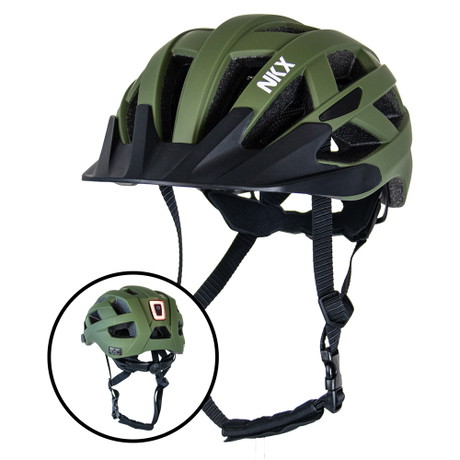


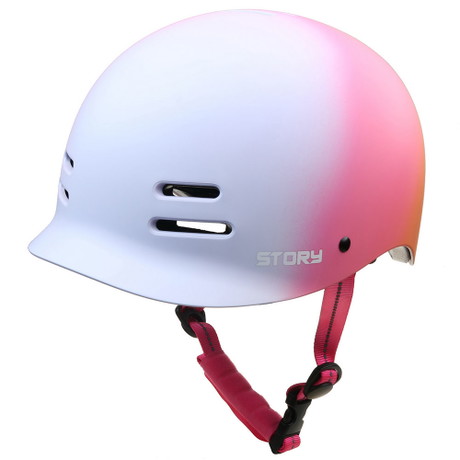


Bicycle / BMX - Helmet - Protection for Children and Adults
Bicycle and BMX helmets are your essential protection, whether you’re cycling to school, commuting to work or training in the park, on the street or at the track. Here you’ll find helmets for children, teenagers and adults, all designed to withstand repeated use and heavy impacts. The key is to combine safety, comfort and style, so you get a helmet that suits both your everyday riding and your more demanding sessions.
The selection ranges from compact everyday models to robust BMX helmets with extra coverage, allowing you to match helmet type and protection level to your style of riding.
Types of Bicycle / BMX Helmets and Choosing for Your Discipline
Open-face helmets are the classic choice for both city cycling and BMX in parks and streets. They offer good ventilation, a wide field of vision and solid coverage of the back of the head, making them ideal for tricks, commuting and mixed use.
Full-face helmets provide maximum coverage of the head, jaw and face, making them well suited for racing, technical tracks and big jumps, where the speed is high and the risk of hard crashes is greater. They are typically a bit heavier but uncompromising in terms of protection.
Aerodynamic bicycle helmets are designed for speed and efficiency, featuring a more streamlined shape and optimised airflow. They are particularly relevant for road cycling, long-distance commuting and BMX racing, where low weight and a feeling of speed are key priorities.
If you ride both for everyday cycling and BMX, a versatile open-face helmet with good coverage and removable padding can be the most flexible solution.
Safety, Fit and Comfort in Bicycle / BMX Helmets
A good helmet is first and foremost a safe helmet. Choose a model that’s certified for cycling and check the internal markings. The shell is usually made of hard plastic with an inner core of EPS foam, which absorbs impacts during collisions. Many models feature reinforced zones around the temples and back of the head for additional safety.
The fit should be snug without feeling tight. The helmet should sit level on your head, not tilt, and the circumference is adjusted using the rear dial system and chin straps. The internal pads help fine-tune the size and can often be removed and washed to keep the helmet hygienic for daily use.
Comfort also depends on weight and ventilation. Lighter helmets are more comfortable for longer rides, while large vents and air channels help remove warm air from the head. For BMX use in parks and bowls, a slightly more enclosed helmet may offer better protection, but it is especially important that it has sweat-wicking inner padding.
For children, it’s crucial that the helmet is easy to adjust so it can adapt to a growing head circumference over time, and that buckles and straps are simple enough for both child and adult to operate.
How to Choose a Bicycle / BMX Helmet According to Level and Use Scenario
Your choice depends on age, experience, discipline and how often you ride. Beginners and children typically need a forgiving, stable helmet with a bit more coverage, while more experienced riders may have specific requirements regarding weight, ventilation and compatibility with other protection such as goggles.
Use the following points as a checklist before buying:
- Head circumference and size: Measure around 2 cm above your eyebrows and compare the measurement with the size guide to ensure the helmet is neither too loose nor too tight.
- Type of use: Choose open-face for daily cycling and all-round BMX, full-face for racing and big jumps, and more aerodynamic models for speed and longer distances.
- Safety and construction: Check certification, shell structure and whether there are extra reinforcements in critical areas such as the temples and neck.
- Ventilation and weight: Consider how warm your typical rides are and whether you prioritise maximum airflow or more enclosed coverage for technical riding.
- Comfort details: Adjustable rear dial, soft straps, removable padding and internal sweat management make a big difference for both children and adults.
- Level and progression: For beginners and families, a versatile, durable helmet is often sufficient, while experienced riders may prefer a more specialised model tailored to their discipline.
Once you know your measurements, use scenario and desired level of protection, the next step is to find the Bicycle / BMX helmet that combines fit, comfort and safety in a way that suits your rides and BMX sessions.