




Helmets


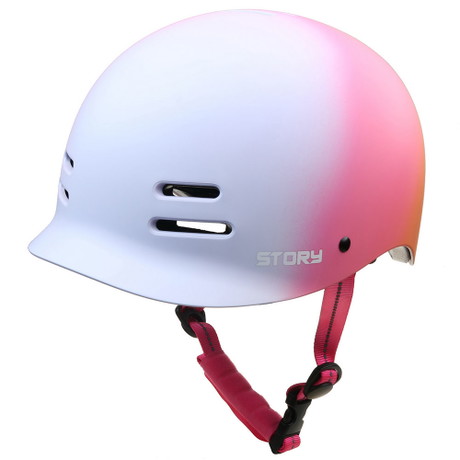


Helmets for Winter Sports and Ice Schools
Helmets for winter sports and ice skating protection are among the most important pieces of equipment when you are skating or doing other winter sports. Here you will find a wide range of helmets for both children and adults, developed to protect the head on the ice, in the rink, and on outdoor tracks. The focus is on safety, comfort, and fit so the helmet can be worn for extended periods of time.
Whether you are a beginner on skates, training at an ice school, or playing games on the ice, a proper helmet with the right fit is essential. A helmet that fits correctly provides better protection in case of falls and at the same time feels more comfortable and stable while moving.
How to Choose the Right Helmet: Safety, Fit and Size
The most important factors when choosing a helmet for winter sports are safety and correct sizing. The helmet should neither move around nor pinch so much that it becomes uncomfortable. Use a measuring tape to measure the circumference of your head just above the ears and eyebrows, and compare it with the helmet’s size specification in centimetres.
When trying on the helmet, it should sit low on the forehead, about 1–2 cm above the eyebrows, and it should not be able to tilt forwards or backwards when you shake your head. The strap under the chin should be tightened so it fits snugly but without rubbing. Adjustment systems at the back make it easier to fine-tune the fit, especially for children who are still growing.
When comparing models, it’s a good idea to focus on a few key points:
- Size and adjustment: Check head circumference in cm and whether the helmet has an adjustable strap or dial-fit system at the back.
- Certification and safety: Look for relevant winter sports certifications so you know the helmet has been tested for impact and shock absorption.
- Inner padding: Removable and washable pads extend the lifespan and increase comfort, especially with frequent use.
- Ventilation: Ventilation holes help keep the head dry and regulate temperature, preventing overheating.
- Weight and comfort: A lightweight helmet feels less tiring to wear for longer periods without compromising protection.
- Adjustable strap and buckles: Easy-to-use buckles make it simpler to take the helmet on and off, even while wearing gloves.
Because ice and winter cold can be tough on equipment, it is an advantage to choose a helmet with a durable outer shell and strong inner foam that can withstand repeated use without losing its shape. Avoid using helmets that have visible cracks or damage after an impact — these should be replaced to maintain full safety.
Types of Helmets and Use on the Ice
Helmets for winter sports may look similar to classic skate or bike helmets but are typically optimised for use on ice with extra attention to warmth, protection, and comfort. Some models are designed specifically for indoor skating, while others also perform well on outdoor ice, hockey-like games, and other winter activities on hard frozen surfaces.
For beginners and children on the ice rink, comfort and a secure fit are often more important than advanced features. In these cases, a lightweight helmet with simple adjustment and soft padding is ideal. For more active use, such as hockey-inspired games, high-speed drills, or freestyle elements, a sturdier construction with a focus on stability is recommended, as falls are often harder and less predictable.
Many people choose to use the same helmet for several activities, such as ice skating, roller skating, and scootering. This can work well if the helmet has the relevant certifications and is still in good condition. However, bear in mind that impacts from falls can affect the internal foam even if the outer shell appears intact, which may weaken its protective ability after repeated heavy impacts.
For colder environments, it can be beneficial to choose helmets with room for a thin hat or integrated ear warmers. This offers better comfort and makes it easier to stay focused on technique on the ice rather than being distracted by the cold. Always ensure that the combination does not negatively affect the fit — the helmet should still sit close and securely.
Level, Maintenance and Practical Use
Whether you skate only a few times a year or train several times a week, the helmet should always be part of your gear. Children, beginners, and experienced skaters all benefit from protection, as slippery ice and unexpected movements can easily lead to falls. For children, wearing a helmet may also be required under local rules at ice rinks and skating halls.
In daily use, it’s important to fasten the helmet correctly every time. Teach children how to close and adjust the strap properly, and regularly check that it hasn’t loosened during activity. After training, it’s a good idea to wipe the helmet inside and out to remove moisture and sweat, helping the padding stay fresh for longer.
Store the helmet in a dry place and away from heat sources, as excessive heat can negatively affect the materials. Inspect the helmet regularly for cracks, split parts, or damaged buckles. If it shows visible damage or has taken a heavy hit, the safest option is to replace it, ensuring you don’t compromise on protection.
The next step is to measure head circumference, consider your own or your child’s level and typical use scenarios, and then choose the helmet that best combines safety, fit, and comfort. This way, you’re ready to head out onto the ice safely and with confidence.