




Surf Leashes


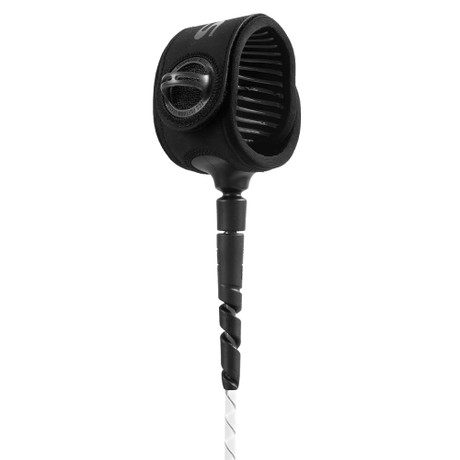


Leash for surfing – safety and control on the wave
A good leash for surfing is one of the most important safety products for watersports. It ensures you always have your board close to you, reduces the risk of injuring others, and makes it easier to quickly get back on the board after a wipeout. Here you’ll find a solid range of leashes for both beginners and experienced surfers.
The leash typically consists of a padded cuff around the ankle or calf, a strong urethane cord, and swivels that prevent the cord from twisting. The quality of materials and joints is crucial for both durability and safety, especially in heavier surf and colder water where the equipment is put under extra strain.
How to choose the right leash
When choosing a leash, it’s important to match length, thickness, and construction with your board, your skill level, and the conditions you surf in. A leash that’s too short or thin can feel unsafe in large waves, while one that’s too long can feel heavy and cumbersome in smaller surf.
Focus particularly on the following points when choosing:
- Length: As a rule of thumb, the leash length should roughly match your board length. For shortboards, this is typically between 6 and 7 ft, while longer boards require a longer leash.
- Thickness: Thinner leashes (around 5–6 mm) create less drag in the water and are great for smaller waves and experienced surfers. Thicker leashes (around 7 mm) are stronger and more durable in heavier conditions.
- Ankle or knee cuff: Ankle leashes are standard for shortboards and all-round surf. Knee/calf leashes are often used for longboards, where you move up and down the board more frequently.
- Swivels and joints: Double stainless steel swivels and solid joints reduce the risk of tangling or snapping.
- Comfort and padding: A soft, wide cuff fits better and causes less chafing, especially during long sessions.
If you’re a beginner, a slightly thicker and more forgiving leash is often the best choice. It lasts longer, handles knocks against the rails better, and provides extra security while you’re still learning to control the board in white water.
Level, usage, and durability
For small summer waves and intermediate surfers, a lighter leash is usually sufficient. It’s comfortable to wear and causes less drag on the ankle while paddling. If you often surf in heavier waves, over reefs, or in colder water, you should prioritise a stronger model with thicker urethane and reinforced joints.
Regardless of your level, it’s a good idea to regularly check your leash for cracks, wear, or signs of damage, especially around the rail saver and swivels. Store it without sharp bends and not tightly coiled, as this helps retain elasticity and strength for longer.
Choose the leash that suits your board type, your level, and the conditions you surf in most often, and make your next session on the water safer and more controlled.