




Scooter Clamps


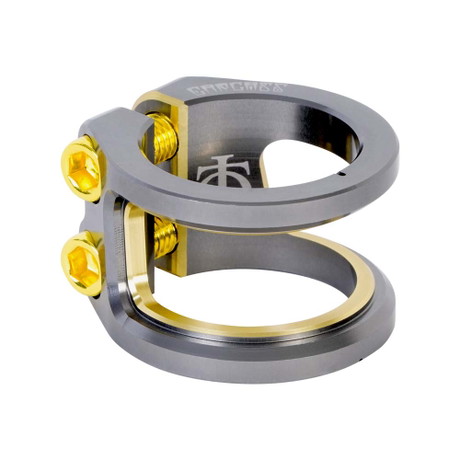

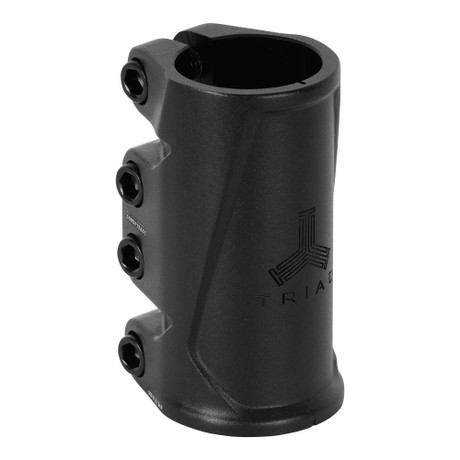


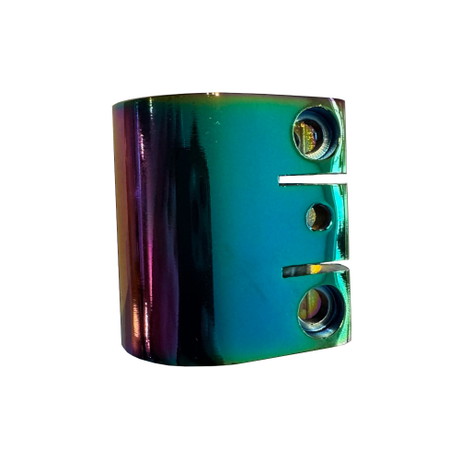


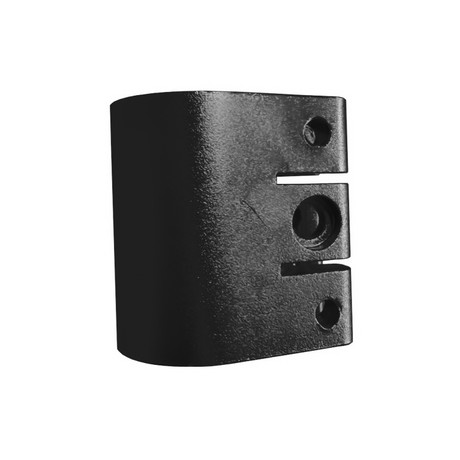


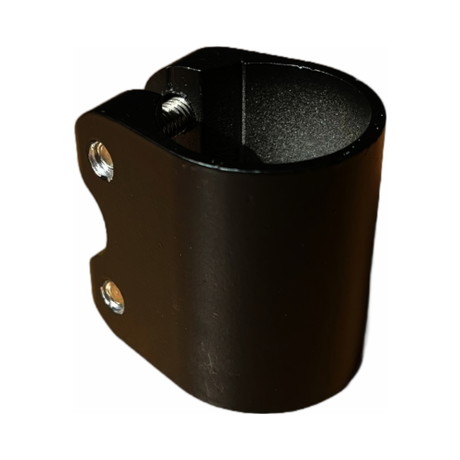


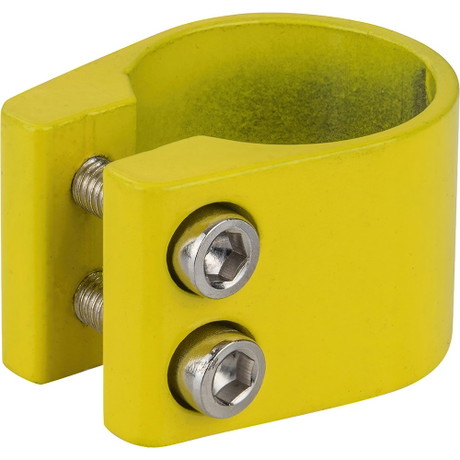

Clamps for scooters – small part, big difference
The clamp is the part that securely holds the bar and the fork together on your scooter. A good clamp provides a more stable setup, less play in the bars and a stronger, safer ride, especially during tricks and heavy use. Clamps are scooter parts that need to match the compression system, bar type and your riding style so everything fits correctly.
Whether you are building a custom scooter or upgrading your current one, it is important to choose a clamp that suits the rest of your setup and your skill level.
Choosing the right clamp: fit, system and strength
Before choosing a clamp, there are some key things you should check to ensure perfect compatibility, safety and durability.
- Bar diameter is typically either standard, around 32 mm, or oversized, around 35 mm. Many clamps come with a shim, allowing them to be used with both sizes.
- Number of bolts can be single, double, triple or quad clamps, and more bolts generally provide a stronger hold for tough park and street riding.
- Compression system must match, so check whether the clamp is suitable for HIC, SCS, IHC or ICS to ensure it fits your fork and setup.
- Clamp height should match the length of the fork’s steerer tube and the slit in the bar so the parts assemble correctly.
- Material and weight are typically aluminium for a good balance between strength and low weight. Lightweight clamps work well for technical park riding, while more robust clamps suit heavy street use.
- Bar type is especially important with SCS, as some bars need to be shortened or require a specific clamp type.
If in doubt, start by checking the specifications of your bar and fork, and compare them with the information on the clamp you are considering.
Clamps vary not only in size and number of bolts, but also in how they suit different riding styles and skill levels.
Park riders often go for lightweight 2-bolt clamps that reduce front-end weight on the scooter. This makes whips, spins and technical combos easier. A tight, precise fit and low weight are more important here than raw strength.
Street riders often choose sturdier 3- or 4-bolt clamps that can withstand hard landings, drops and rails. A slightly heavier clamp can be an advantage, giving a more solid feel and better grip under stress.
For all-round use, many compact 2- or 3-bolt clamps work really well. They offer a good balance between weight and strength and suit both park riding and commuting to and from school.
For beginners, a clamp is first and foremost about safety and simplicity: choose a model that matches your current setup and make sure the bolts can be tightened evenly without stripping. A properly tightened clamp minimises play and makes the scooter more predictable to ride.
Intermediate riders and progressing beginners who attempt more tricks will benefit from a clamp with strong bolts and a design that distributes clamping force evenly around the bar. This improves durability and reduces the risk of the bar twisting on bad landings. Always use the correct Allen key and check the bolts regularly.
Advanced riders should pay attention to weight, exact compatibility with the compression system, and how much clamping force they actually need for their riding style. Once you know your bar diameter, compression system and riding style, the next step is simply to choose the clamp that matches and get your scooter ready for the next session.